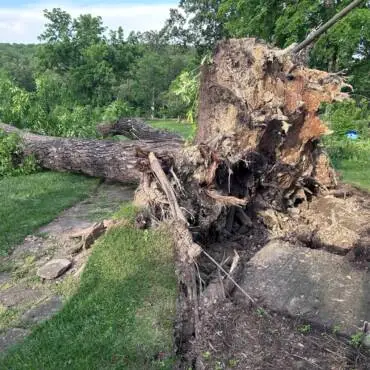
Trees rot from the inside out, which means this silent killer can wreak havoc on trees without many noticeable signs on the exterior. It’s not uncommon for homeowners in Warrenton, VA, and surrounding areas to think their trees are healthy when, in reality, decay has compromised its structural integrity long ago. The tree that provides shade for your home could become a danger without any outward signs of something wrong. By having your trees inspected by certified arborists, you can protect your property and family as well as your tree investment. At Valley Arbor Care, we offer professional tree trimming in Warrenton and Culpeper, VA, risk assessment services, and tree removal if the tree is too far gone to save. Let’s take a closer look at tree decay and what you can do to keep your trees happy and healthy for years to come!
Understanding Tree Decay
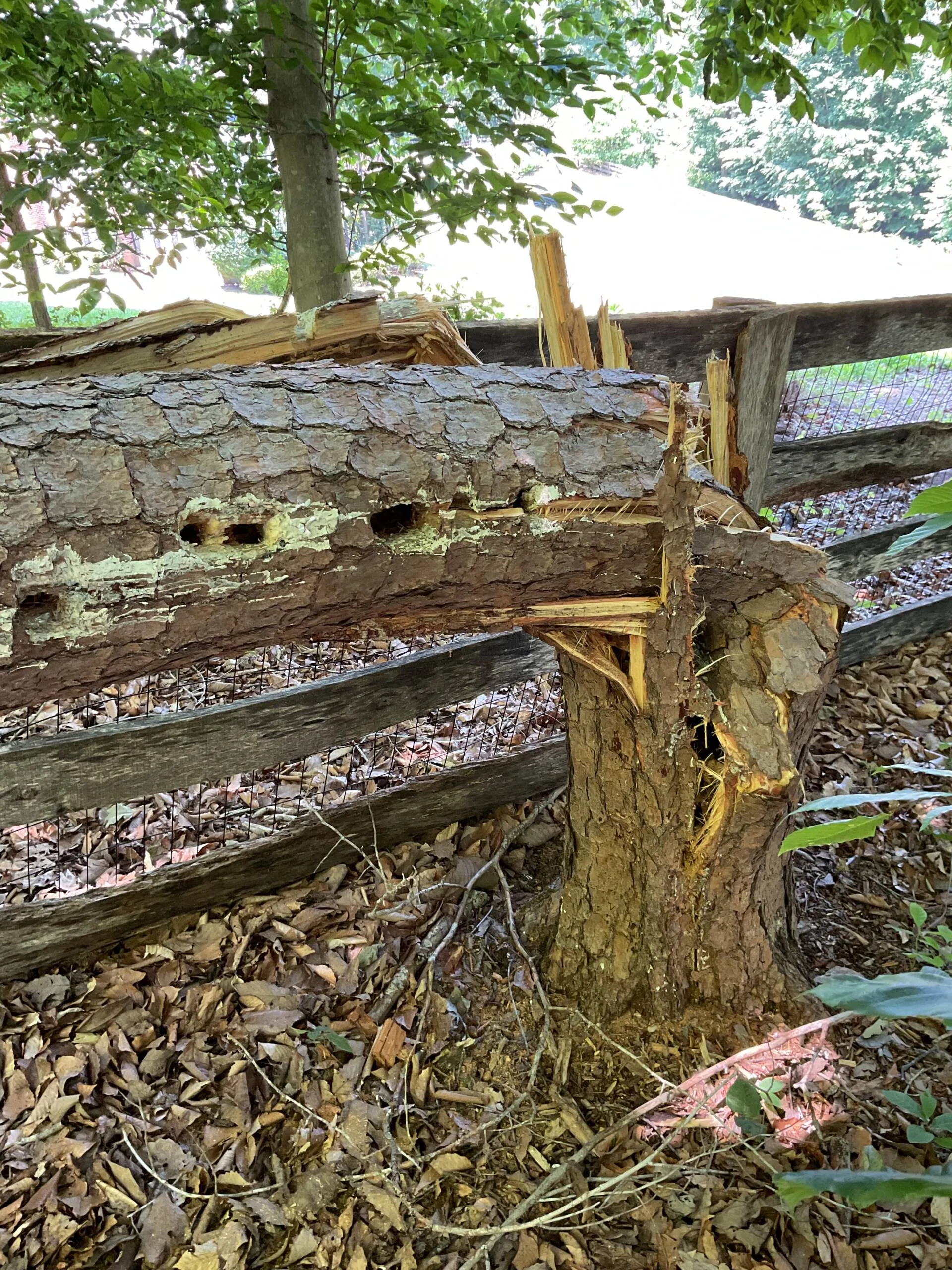
Tree rot, or decay, occurs when organisms such as fungi, bacteria, and other pests break down the fibrous cells that make up healthy tree wood. Healthy trees are strong and thick and hard to penetrate. As tree rot sets in, your trees become soft, spongy, brittle, crumbly, or possibly even hollow. Insects often infect trees on the inside through wounds in the bark, roots, and branches. Since these pests can take years to break down your trees, you will likely not see signs of decay on the outside until your tree is well beyond repair. That is why it is vital to have your trees inspected by professionals. Unless you have a certified arborist look at your trees every year, you will not likely notice decay before it is too late.
Common Tree Decay Causes Include:
Warrenton and Culpeper, VA are home to many mature hardwood trees and see many changes in weather from our local climate. Common causes of tree rot include:
- Damage from storms and broken limbs
- Poor pruning practices
- Lawn mower and string trimmer injuries
- Damage to roots or soil compaction during nearby construction
- Insect damage
- Old age
- Environmental stresses like drought, poor drainage, flooding, or compacted clay soil
- Wounds trees cannot properly compartmentalize
Helping your trees avoid these common injuries can help prevent decay. One way to do this is by having routine tree trimming done in Warrenton and Culpeper, VA.
Types of Tree Rot
Tree rot is categorized by what parts of the tree are affected:
- Heart rot infects the “heartwood,” or main trunk of the tree. Sometimes trees with heart rot can look as if they are healthy on the outside, but they are slowly losing strength inside.
- Root rot infects the roots of the tree and affects its ability to take in water and nutrients.
- Butt rot affects the bottom of the trunk where it meets the roots.
- Sapwood decay affects the outer layers of the tree where transportation of fluids occurs.
The type of rot your tree has will determine the level of stability the tree has. For example, a tree with heart rot may be able to stand for years with compromised strength. However, if your tree has butt rot or root rot, it will be much more likely to fall. A certified arborist can inspect the tree and let you know the extent of the rot and what can be done.
Signs Your Tree Has Rot
During your routine walkthrough of your yard, look for the following signs that your tree could be rotted:
- Mushrooms or fruiting bodies at the base of the tree on the trunk or near the roots
- Holes, hollow sounds, or soft areas when you tap on the trunk
- Cracks or splits in the tree’s seams or bark
- Loose, peeling, discolored, or missing bark
- Wounds that are weeping or leaking liquid
- Sunken spots on the trunk that may be flattened or discolored
- Dead or dying branches on the tree, especially on the top of the canopy
- Thin leaves, lack of growth, smaller than normal leaves, or early leaf loss
- Leaning tree or visible displacement of the root plate
- Fine sawdust-like accumulation at the base of the tree (called frass, which is made by insects)
- Falling branches, even after small storms
If you notice any of these signs, call a professional immediately to have your trees inspected.
Why Tree Rot Is Dangerous
While your tree may look perfectly healthy from a distance, you never know how much rot is hiding inside. Once tree strength has been compromised, there is a higher risk that it could fall on something, or during a storm, high winds, or heavy rains in Virginia. Tree failure can:
- Cause thousands of dollars in damage to your home and property (cars, fences, outbuildings, pool, or power lines).
- Cause serious injury to someone in your family, a guest, or neighbors.
- Leave you liable if your tree falls on someone else’s property.
Minor cases of tree rot can turn into major problems if left untreated. That is why we recommend routine tree trimming in Warrenton and Culpeper, VA as well as tree risk assessments every few years.
Treating Tree Rot
Trees have a defense mechanism called compartmentalization. When trees are wounded or begin to decay, they produce chemical and physical barriers to try to wall off the decayed area. In minor and moderate stages of tree rot, there are ways to slow or cure your trees.
Talk to your arborist about the following tree care services:
- Trim any affected limbs using proper tree trimming techniques.
- Improve the soil condition with aeration, improve drainage, and mulching.
- Reduce stress on the tree by treating for pests, drought, compaction, or nutritional deficiencies.
- Apply targeted disease management if the cause is due to bacteria or fungi.
Keep in mind, the sooner you treat your tree, the better your chances are of it recovering. Also, trees can often be treated for years until decay is discovered in major areas of the tree. Trunks and root systems cannot be treated because they bear the largest loads. Once your tree has reached this point, it will most likely need to be removed by a professional tree service.
Can You Prevent Tree Rot?
Yes! There are ways to prevent tree rot, including:
- Having your trees professionally inspected every one to two years.
- Allowing professionals to properly prune your trees and avoid harmful techniques such as tree topping.
- Keeping your equipment away from your tree trunks or using tree guards.
- Avoiding root damage and compaction from cars, buildings, and landscaping.
- Improving drainage and adding 2-4” of mulch around the base of trees, keeping it a few inches away from the trunk.
- Watering during drought conditions to help increase tree vigor.
- Keeping an eye out for pests, disease, and nutrient issues. Treating them quickly when they appear.
- Cleaning up deadwood by pruning any dead or damaged branches using professional tree trimming in Warrenton and Culpeper, VA.
- Assessing any damage after severe storms.
- Planting tree species that are compatible with your soil conditions and the local area.
Preventative maintenance will help keep your trees strong and healthy and better able to defend themselves from invaders.
Knowing When to Remove a Tree
While we always like to try and save your trees, trees removed due to decay are often too far gone to be saved. Here are a few signs it might be time to cut your tree down.
- Severe internal rot or major trunk hollowing. (Though be aware some trees are meant to be hollow, check with your arborist).
- V significant root rot
- Overhanging your home, driveway, power lines, or other high-traffic areas
- Losing its structural integrity and showing other signs of decay or tree disease
- There is no longer any way to properly treat your tree and it continues to get worse
Our trained arborists can remove the tree safely and quickly while minimizing damage to your lawn. We also offer stump grinding services to rid your lawn of the stump as well.
Contact Valley Arbor Care for Tree Trimming in Warrenton and Culpeper, VA
Trees can look healthy on the outside but be rotted on the inside. The only way to know for sure if your trees are healthy is by having them professionally inspected annually. While proper trimming and maintenance can help prevent or slow tree decay, many cases will require your trees to be removed. Don’t wait for the next big storm to reveal the hidden hazards around your property. Valley Arbor Care provides professional tree trimming in Warrenton and Culpeper, VA and tree removal when necessary. Contact us today to schedule your free tree health evaluation and learn what you can do to keep your trees healthy and happy!